Fashionista: The Bold Script Font with a Modern Edge
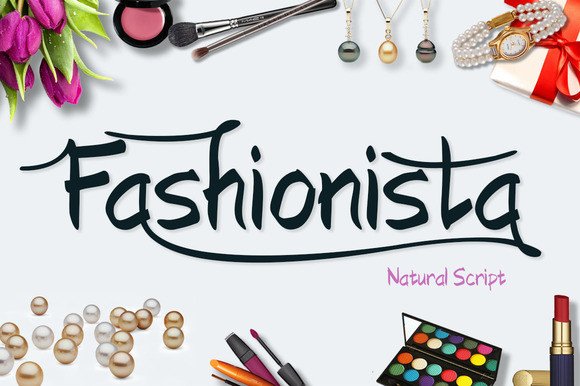
There are script fonts that whisper, and then there are script fonts that make a statement from across the room. Fashionista belongs firmly in the latter category. This is not a delicate, looping calligraphy face; it’s a bold, confident typeface that feels like it was sketched out with a thick marker pen. Its most striking feature is the combination of flowing, natural script letterforms with surprisingly hard, straight lines that end in firm, rounded caps. This unique blend gives it a contemporary, almost architectural quality that sets it apart from more traditional handwritten fonts.
A Typeface with Personality and Presence
The visual character of Fashionista is defined by its strong, monolinear strokes. The weight is consistent throughout, which contributes to its modern, graphic feel. The rounded ends soften what could otherwise be a rigid structure, adding a touch of approachability and preventing the design from feeling cold or mechanical. This balance is key to its appeal. It doesn’t have the personal, human imperfections of a true handwritten font, but it avoids the sterility of a geometric sans serif. The result is a creative font that feels both crafted and spontaneous, perfect for projects that need personality without sacrificing clarity.
You’ll notice a subtle influence that hints at a modern, East-Asian aesthetic in its construction—the straight, decisive strokes meeting in clean angles. This doesn’t make it a thematic font, but it does lend a certain clean, purposeful elegance. It’s a display font first and foremost, designed for headlines, logos, and short bursts of impactful text where its full character can be appreciated. Using it for long paragraphs would be a mistake, as its bold weight and distinct style would quickly overwhelm the reader. Think of it as the exclamation point in your typographic toolkit, not the sentence.
Where Fashionista Truly Shines: Practical Applications
Understanding a font’s personality is one thing; knowing where to deploy it is where the real strategy comes in. Fashionista is a versatile premium font that can elevate a wide range of projects, but its strengths are most evident in specific contexts.
Branding and Logo Design: This is where Fashionista can be a game-changer. For a brand that wants to project confidence, modernity, and a touch of creative flair, this typeface makes for a compelling logo design choice. Imagine it for a boutique fashion label, a trendy café, a contemporary art studio, or a lifestyle blogger. It instantly communicates a specific vibe: stylish, bold, and aware. Because it’s so distinctive, it helps with brand recognition. A logo set in Fashionista is hard to forget.
Marketing and Social Media: In the fast-scrolling world of social media, grabbing attention is everything. Fashionista is built for this. Use it for the main headline on an Instagram post, a bold statement on a Facebook ad, or a call-to-action on a Pinterest graphic. Its thick strokes ensure it remains legible even at smaller sizes on mobile screens, which is a critical consideration for any web design or digital asset. It pairs exceptionally well with a clean, neutral sans serif font for body copy, creating a dynamic and readable font pairing that guides the viewer’s eye.
Packaging and Editorial Design: The physical world is another stage where Fashionista performs beautifully. On product packaging, it can convey quality and contemporary style—think cosmetics, gourmet foods, or specialty beverages. In editorial design, such as magazine covers or chapter openers, it can set a powerful, thematic tone. The key here is context. It works best for titles and pull quotes that need to resonate with the overall aesthetic of the publication or product.
Digital Products and Personal Projects: For entrepreneurs creating digital planners, e-book covers, or course materials, this font offers a way to inject professionalism and style. Crafters and hobbyists can use it for impactful quotes on handmade cards, wall art, or custom apparel. It’s a design asset that adds a polished, designerly touch to personal creations, making them feel more intentional and valuable.
Integrating Fashionista into Your Design Workflow
Choosing the right font is only half the battle. Using it effectively is what separates good design from great. Here’s some practical guidance for working with Fashionista.
Evaluate Project Fit: Before you even download, ask yourself: does this font’s personality align with my project’s message? Fashionista is confident and modern. It might not be the best fit for a traditional law firm’s website or a formal wedding invitation, but it could be perfect for a music festival poster or a fitness brand’s motivational graphics. Always consider your audience and the emotional response you want to evoke.
Master the Font Pairing: The boldness of Fashionista demands a careful partner. As a general rule, pair a strong display font with a more subdued, readable font for body text. A simple sans serif like Montserrat, Lato, or Open Sans creates a clean, modern contrast. For a more classic or sophisticated feel, a timeless serif font like Garamond or Times New Roman can provide an interesting counterpoint. The goal is balance—let Fashionista command attention in the headline while the secondary font ensures comfortable reading for longer text.
Consider Readability and Hierarchy: Use Fashionista to establish a clear visual hierarchy. Its natural weight makes it ideal for top-level headlines. Use it sparingly for maximum impact. If you’re designing a website, test it at various sizes to ensure the letterforms don’t blur together, especially on lower-resolution screens. Its thick strokes are generally forgiving, but due diligence is always part of professional practice.
Review Licensing and Styles: When sourcing your commercial font, always check the licensing terms to ensure they cover your intended use, whether for a personal blog or a commercial product line. Also, explore the full font family. Some versions of Fashionista might include alternates, ligatures, or stylistic sets that offer even more creative flexibility, allowing you to customize the look further and avoid repetition in your designs.
In the vast landscape of modern typography, Fashionista carves out a distinct niche. It’s a script font that doesn’t rely on nostalgia or delicate flourishes. Instead, it offers a bold, clean, and contemporary voice. It’s a tool for designers, marketers, and creators who want their message to be seen and felt with clarity and confidence. By understanding its strengths and applying it thoughtfully, you can leverage this typeface to build stronger brand identities